
The Silent Influence: How Adult Behavior Shapes Kids’ Anger
When we talk about kids being angry today, it’s eas
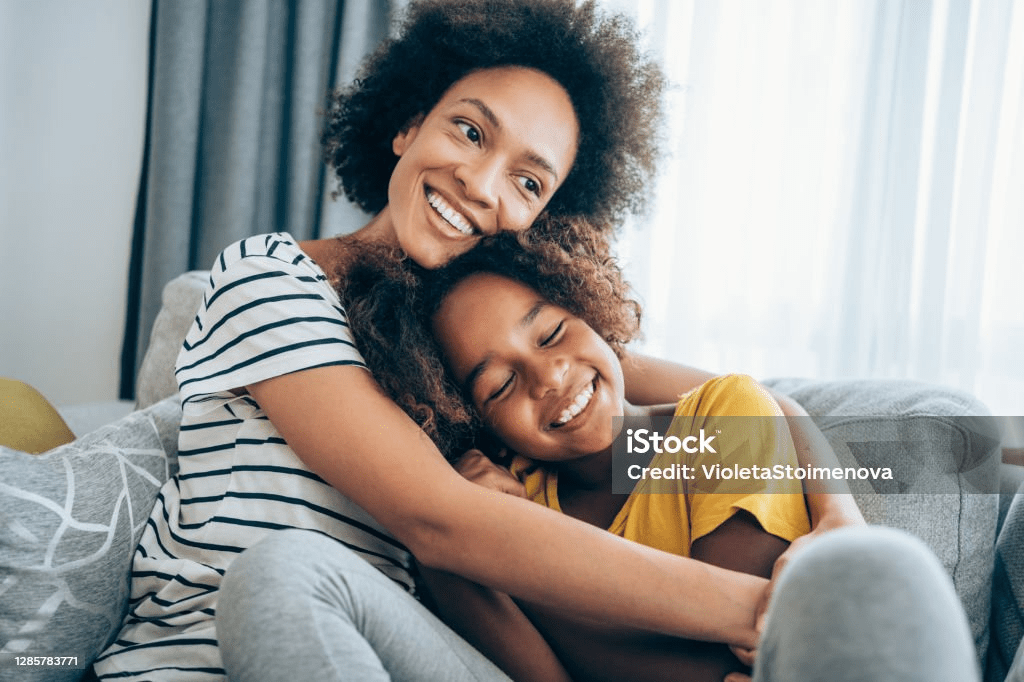
y to point at video games, social media, or peer pressure. But the truth is, long before a child throws their first tantrum or skips their first class, they’ve been quietly studying the adults around them.
And kids are sharp observers — even when we think they aren’t listening.
A child watches how we argue. They see if we slam the door or talk things out. They notice when we complain about work every night, how we treat the cashier at the grocery store, or if we roll our eyes when someone disagrees with us. These small moments, often unnoticed, become part of their emotional playbook.
Many angry children aren’t just reacting to their own problems — they’re mirroring the stress, frustration, and even hopelessness they’ve absorbed from the adults closest to them. If a home is filled with constant tension, sharp words, and unresolved conflict, it becomes their normal. They begin to believe that anger is the natural way to respond to challenges.
The influence doesn’t stop at home. In schools, a teacher’s tone can either calm a classroom or add fuel to a child’s frustration. In communities, the way adults treat one another — with kindness or hostility — silently teaches children what’s acceptable. Even the way we handle disagreements in public, online, or in politics sends a message: This is how you deal with people who think differently.
Children rarely have the language to say, “I’m stressed because the adults in my life are stressed.” Instead, their feelings come out as defiance, aggression, withdrawal, or poor grades.
If we want to see less anger in our kids, the change has to start with us. It means modeling patience when we’re frustrated. It means listening without interrupting. It means showing them that it’s possible to disagree without disrespect. Every calm response we choose is a lesson they carry.
In my last post, I talked about the rising anger we’re seeing in young people today. That was the what. This time, I wanted to explore part of the why. Much of that anger doesn’t just appear out of thin air — it grows in the quiet shadow of what we, as adults, are showing them. If we want to change what we see in our kids, we have to change what they see in us. The next chapter in this conversation isn’t just about identifying the problem — it’s about each of us taking responsibility for the example we set every day.
Thanks to those of you that continue to support our platform. We ask that you share our platform and give us a like. Our purpose is to Inspire, Inform, Encourage, and Empower others.
Marvin Dixon/Founder
vmgreview.com
 VMG Review