
Last year, a video went viral showing a well-known public figure saying shocking things about a political issue. Within hours, it had been shared millions of times and was being debated across social media. The only problem? The video was fake. It was created using artificial intelligence—known as a deepfake—and designed to fool viewers. By the time experts debunked it, the damage was already done.
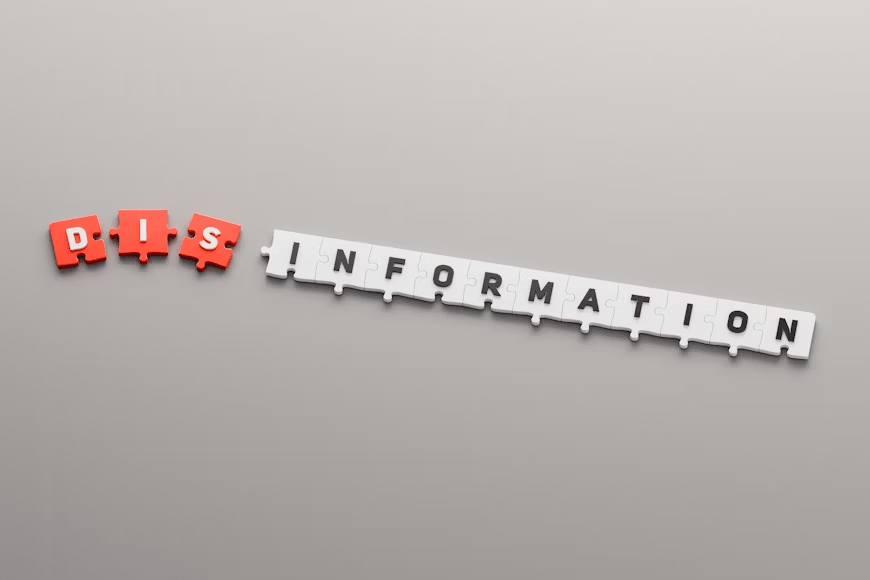
This is the new reality we live in. Deepfakes and edited videos can make it look like someone said or did something they never did. These fakes are powerful tools for spreading disinformation. They can damage reputations, stir anger, influence elections, or even create panic.
That is why it’s more important than ever for citizens to slow down and verify before sharing. Ask yourself: Who posted this video? Does it come from a trusted news outlet, or from an unknown account with no history? Look for other credible sources reporting the same story. If no one else is covering it, that’s a red flag.
You can also use tools to check the truth. Reverse image search through Google Images can show if a video’s thumbnail or still images come from older, unrelated events. Websites like Snopes and FactCheck.org often investigate viral videos and provide clear explanations.
Audio isn’t safe either. Fake voice recordings are becoming more common, so shocking audio clips should be verified with multiple trusted sources before they’re believed or shared.
Quick Checklist Before Sharing Any Video:
- ✅ Check the source: Is it from a trusted news outlet or a random account?
- ✅ Look for other reports: Are credible media outlets covering the same event?
- ✅ Do a reverse image search: Find out if the images or video are from an older story.
- ✅ Read the comments: Sometimes, others have already flagged it as fake.
- ✅ Check fact-checking sites: Snopes, FactCheck.org, or PolitiFact often have answers.
- ✅ Pause before reacting: Give it time before you share—truth takes longer to verify than lies do to spread.
Disinformation thrives when people spread it without thinking. But by taking a moment to verify before we react, we can protect ourselves and our communities. Truth still matters—but it needs citizens who are willing to defend it.
To Inspire, Inform, Encourage, and Empower Others. Please give our platform a like, thumbs-up, and a share…….Thanks for the support.
Marvin Dixon/Founder
vmgreview.com
 VMG Review