
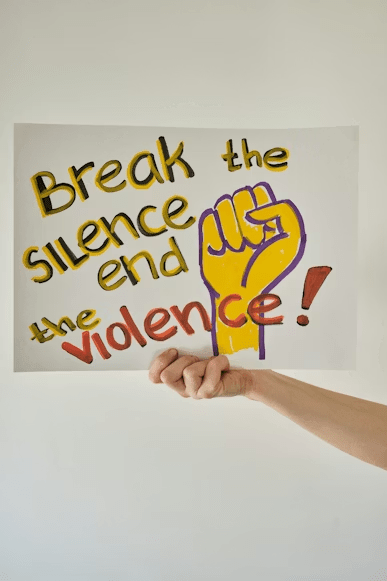
Across the country, too many families are losing loved ones to violence. The recent uptick in homicides, especially in many Black communities, has left people searching for answers. These tragedies are heartbreaking, but they are not “unexplainable.” They are the result of problems that have been building for years, and if we understand those problems clearly, we can also understand how to fix them.
Violence does not come out of nowhere. Many of the hardest-hit neighborhoods face concentrated poverty, limited job options, and very few resources for young people. When opportunity is scarce and stress is high, small conflicts can grow into major problems. On top of that, many communities are still dealing with the long-term impact of segregation. People often live, work, and go to school around others of the same racial group, so when violence happens, the victims and the offenders are usually from the same community. That is why the term “Black-on-Black crime” is misleading — the issue is about geography, isolation, and lack of support, not race.
Guns also play a major role. When disagreements turn violent, the presence of a firearm makes the outcome far more deadly. The pandemic years made things even harder. Schools, youth programs, and social services were disrupted. Many families faced trauma, financial stress, and isolation. In places where community trust was already fragile, the relationship between residents and the police became even more strained. All of these pieces created conditions where violence could rise.
But the story does not end there. There are proven ways to interrupt these cycles and save lives. Community Violence Intervention programs use trusted people — often individuals who know the streets and the conflicts — to step in before a situation turns deadly. Hospital-based programs help victims right after a shooting, when the risk of retaliation is highest, by offering counseling, mediation, and support. Focused deterrence programs provide both firm consequences for continued violence and real help for those who want a different path. When cities invest in jobs for youth, paid training, and local hiring, violence drops because people have something to work toward.
Families and communities have a role too. We can support local outreach groups, back youth programs, and encourage mental-health care without stigma. Churches, schools, and community centers can teach mediation and conflict resolution. Local employers can hire young people and give them a chance to build skills. And all of us can push for sensible gun policies that reduce the flow of illegal firearms on our streets.
These problems are serious, but they are not hopeless. Violence rises when communities are ignored, and it falls when communities are supported. If we invest in people, build trust, and give young people real opportunities, we can break these cycles and save lives. Change is possible — and it starts with all of us working together.
— A message of awareness, hope, and action from VMGReview.com
Marvin Dixon/Founder
vmgreview.com
 VMG Review