
A young mother of three stands in line at a grocery store late on a Friday night. She’s buying the basics—milk, cereal, bread, and a few frozen meals because she won’t have time to cook after her shift tomorrow. Her total comes to $62.41. She pulls out her debit card and knows what’s coming next: taxes added on top of everything she already struggles to afford. She works two jobs, barely sleeps, and still feels like every dollar she earns is already claimed by someone else. What people don’t see is that she carries the weight of taxes stronger than anyone in that line. The wealthy woman behind her won’t feel the extra dollars missing—but this mother does. Those few dollars could have been gas for the week, a school snack, or money toward a bill she’s been trying to catch up on.
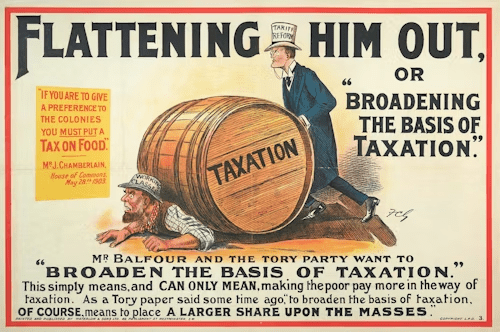
Most people talk about taxes like it’s a shared responsibility. But the truth is, the poor and working-class carry a heavier load. Even when they earn less, they give up more of what they make. Sales taxes hit them every time they buy basic goods. Payroll taxes take their cut before their check even clears. Gas taxes, vehicle fees, late penalties, and even the cost of cashing their own checks all pull from the same small pot. Meanwhile, the wealthy have accountants, tax shelters, business write-offs, and investments that are taxed at lower rates. The poor don’t get those options. They just pay.
Being poor in America comes with a price. Rent isn’t tax deductible but mortgage interest is. A struggling parent can’t write off childcare the same way others can write off business expenses. When money is tight, every mistake becomes a penalty—late fees on bills, court costs, or vehicle registration fines. These penalties act like another layer of tax on families already fighting to stay afloat. And while high earners hide income behind investments, the IRS spends more time auditing low-income workers claiming benefits like the Earned Income Tax Credit. Instead of protecting people, the system often ends up squeezing them harder.
The real tax on the poor isn’t just money. It’s time, energy, and opportunity. It’s the hours spent working overtime only to see their paycheck drained by deductions. It’s waiting in long lines at government offices because they can’t afford to take off work during the day. It’s paying more for groceries, banking services, transportation, and everyday basics. Poverty becomes taxed at every turn, making it harder for families to ever get ahead.
If we want change, we must start by understanding how the tax system truly works—and who it harms the most. People shouldn’t be punished for being poor. They deserve a fair system, equal opportunity, and the chance to build a better life for their families.
From vmgreview.com: Our goal is to shine a light on the issues that matter and help our communities move forward—one truth at a time.
Marvin Dixon/Founder
vmgreview.com
 VMG Review