
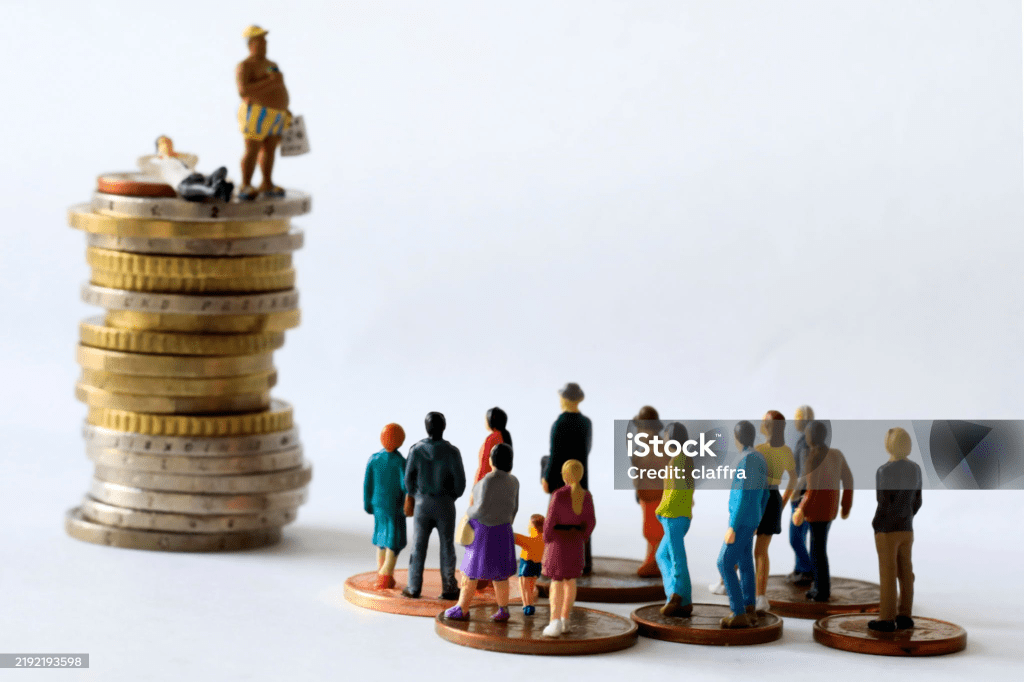
Most people believe global conflicts only affect governments, military leaders, and foreign nations. It feels distant—something happening somewhere else, far removed from our daily lives. But history has shown us a different truth. When the economy shifts because of global conflict, neighborhoods feel the shift first. What happens in the Middle East, including tensions involving Iran, does not stay in the Middle East. It travels—quietly but steadily—into American neighborhoods, homes, and family budgets.
The first place citizens will likely feel the impact is at the gas pump. Oil is the lifeblood of modern economies. When there is tension in regions that produce or transport oil, markets react immediately. Even the fear of disruption can cause oil prices to rise. When oil prices rise, gasoline prices rise. For the average family, this means more money spent just to commute to work, take children to school, or handle everyday responsibilities. What may appear to be a global political issue quickly becomes a personal financial issue.
But gas prices are only the beginning. Oil affects nearly everything we use. Food must be transported. Products must be shipped. Businesses must operate machinery and maintain facilities. When fuel costs increase, businesses face higher operating costs. Most businesses cannot absorb those costs without consequences. They pass those costs on to consumers. This means groceries become more expensive. Utilities may increase. Basic necessities begin to cost more. Families who were already managing tight budgets feel additional pressure.
Over time, this pressure spreads into other parts of the economy. Businesses become cautious. They may delay hiring new workers. They may reduce employee hours. They may postpone expansion plans. This creates uncertainty for workers and families who depend on steady income. When businesses slow down, neighborhoods slow down.
Financial markets also react to global uncertainty. Retirement accounts, pensions, and investments may fluctuate. While many of these changes may be temporary, they create concern among citizens who depend on those funds for long-term security. People begin to question whether they should spend, invest, or save. This uncertainty affects decision-making at every level.
Interest rates may also remain higher for longer periods when inflation becomes a concern. Higher interest rates make borrowing more expensive. This affects families trying to buy homes, finance vehicles, or start businesses. It becomes harder to move forward financially when the cost of borrowing increases.
Perhaps the most overlooked impact is psychological. When people sense uncertainty, they become cautious. They spend less. They delay decisions. They protect what they have. This reaction is natural, but when millions of people respond this way at the same time, it slows the overall economy. Local businesses feel it. Neighborhood growth slows. Opportunities become limited.
This is why it is important for citizens to understand that global events are not separate from local realities. The connection is direct. When global stability weakens, economic pressure often follows. And when economic pressure arrives, neighborhoods feel it first—not governments, not corporations—but ordinary citizens.
The lesson is not to live in fear, but to live in awareness. Economic shifts are part of the global system we live in. Those who prepare, who manage their finances wisely, who avoid unnecessary debt, and who remain informed are better positioned to navigate uncertainty.
Global conflicts may begin far away, but their effects arrive quietly, showing up in gas prices, grocery bills, and household decisions. The strength of any nation is reflected in the stability of its neighborhoods. When citizens understand the connection between global events and local impact, they are better equipped to protect themselves, their families, and their future.
Marvin Dixon/Founder
vmgreview.com, Verifacts Investigations, and Frontline Investigator Training Academy.
 VMG Review