
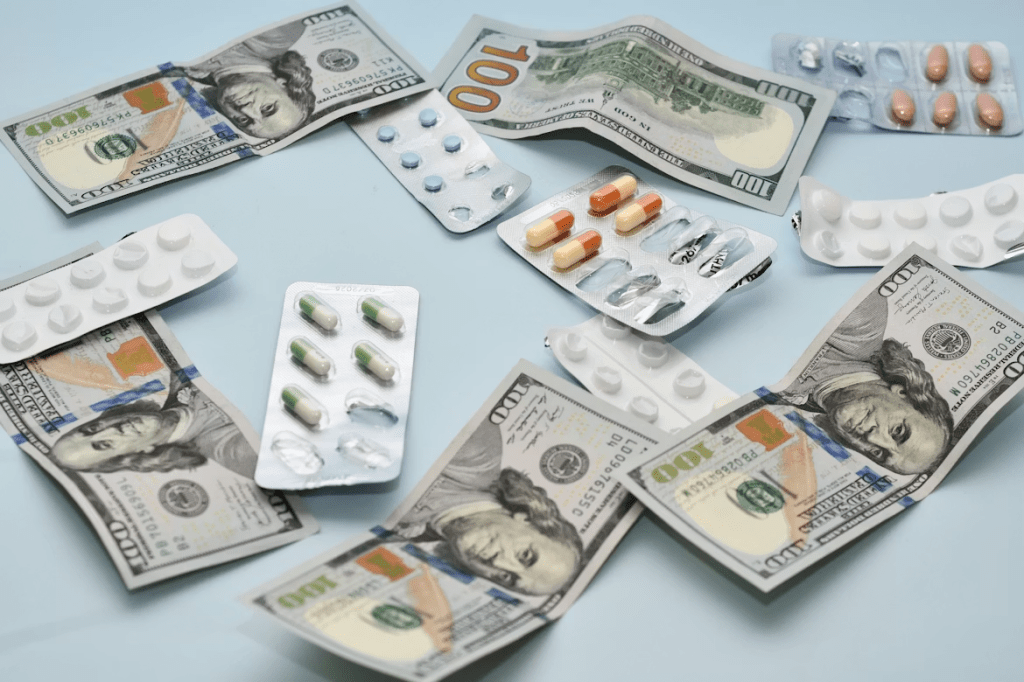
The High Cost of Prescription Drugs: A Promise Still Waiting to Be Fulfilled
During the last presidential campaign, one of the issues strongly discussed was the high cost of prescription drugs in America. President Donald Trump stated that his administration would reduce the cost of medications and make them more affordable for everyday Americans. Many citizens supported that promise because millions of people struggle every day to pay for the medications they need to survive.
However, the reality is more complicated. While there have been some policy announcements and negotiations with pharmaceutical companies, many Americans still report that prescription drug prices remain high and difficult to afford.
First, it is important to understand that the United States already pays more for medications than most other developed nations. Research shows that prescription drugs in the U.S. cost about 2.4 times more than in comparable countries. This difference places a heavy burden on families, especially seniors and people with chronic illnesses.
There are also reports showing that prices for many drugs have continued to rise. One report found that nearly 700 prescription drugs increased in price during the current administration, with a median increase of around 8 percent. That means even as the government talks about lowering costs, many medications have actually become more expensive.
Another issue involves the price of new medications entering the market. Studies show that the launch price of new drugs increased by about 51 percent between 2022 and 2024, even after adjusting for inflation and discounts. This trend makes it difficult for any administration to control overall drug spending because new medications are introduced at extremely high prices.
Consider insulin, a life-saving drug used by millions of Americans with diabetes. Although some companies have introduced discount programs, insulin in the United States still costs dramatically more than in other countries. One study found that insulin prices in the U.S. are more than nine times higher than in other high-income nations. Even with new programs promising insulin for around $35 per month, many patients still face higher costs depending on their insurance or pharmacy pricing.
The Trump administration has introduced initiatives aimed at lowering prices, including agreements with pharmaceutical companies and a website designed to offer discounted medications. However, experts say these programs may have limited impact because they cover only a small number of drugs. In fact, the government’s new discount platform currently lists only a few dozen medications, leaving thousands of others unchanged.
Public opinion reflects this frustration. A recent poll found that more than 80 percent of Americans say affordability has not improved, with prescription drugs listed among the major financial concerns facing families.
The truth is that the high cost of prescription drugs is not a simple problem with a quick solution. Drug pricing involves pharmaceutical companies, insurance companies, pharmacy benefit managers, government regulations, and international pricing differences. Until those issues are addressed together, the promise of significantly lower drug prices may remain out of reach.
For millions of Americans, this issue is not political—it is personal. It is about whether a parent can afford medicine for their child, whether a senior can refill their prescription, or whether a patient must choose between paying rent and buying medication.
If the nation is serious about healthcare affordability, reducing the cost of prescription drugs must remain a priority. Americans should not have to struggle to afford the very medicines that keep them alive.
Marvin Dixon/Founder
vmgreview.com, Verifacts Investigations, and Frontline Investigator Training academy.
 VMG Review