
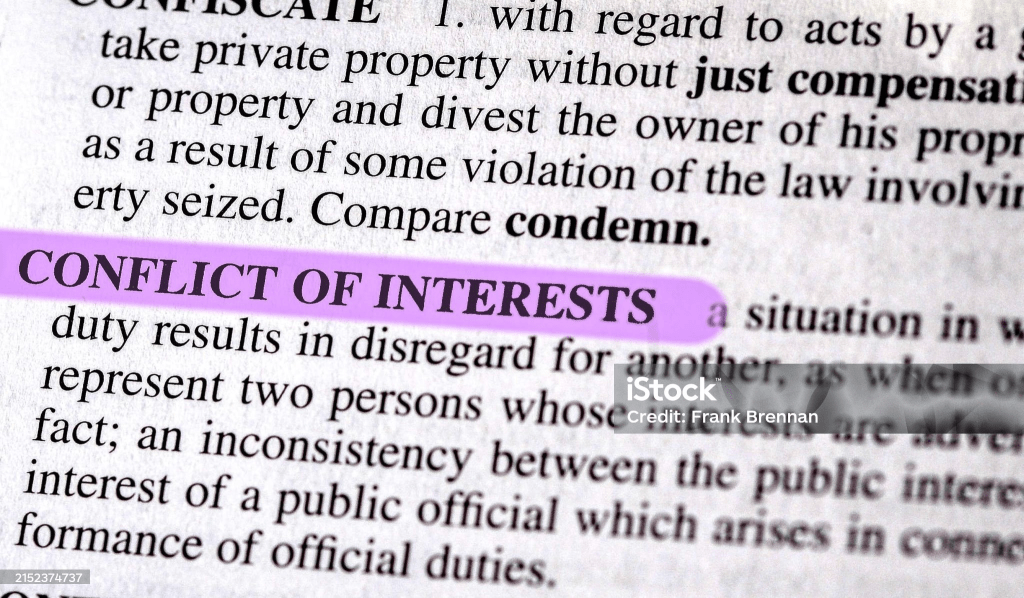
A conflict of interest happens when a person in a position of power can use that power to benefit themselves, their family, or their business interests. In government, this issue becomes even more serious because public officials are supposed to act in the best interest of the people—not in the interest of their personal wealth.
In recent years, the discussion about conflicts of interest has become more visible in American politics, especially surrounding the business activities connected to the family of Donald Trump. When someone becomes President of the United States, the expectation is that personal business interests will be separated from public responsibilities. The reason is simple: the president holds enormous influence over policy, international relationships, and government spending.
Before returning to the presidency, Donald Trump was widely known as a real estate developer and businessman through the Trump Organization. His brand was attached to hotels, golf courses, and other real estate ventures around the world. However, critics argue that since his return to the White House, business activities connected to his family have expanded into new areas, including international real estate deals and emerging industries like cryptocurrency.
Members of the president’s family, including Donald Trump Jr. and Eric Trump, have remained active in business ventures while their father holds the nation’s highest office. Reports in early March 2026 suggested that the brothers were involved in launching a company focused on manufacturing drones, with the intention of selling those drones to the federal government. When situations like this occur, critics immediately raise a red flag. If a company connected to the president’s family is seeking government contracts, the question becomes unavoidable: is the opportunity being created because of business merit, or because of political influence?
This is exactly why ethics rules exist in government. A conflict of interest does not necessarily mean that a law has been broken. However, it raises serious questions about fairness and trust. When citizens believe that political leaders may be enriching their families while holding office, public confidence in government begins to erode.
This issue is not unique to one administration or one political party. Throughout American history, leaders from both sides of the aisle have faced accusations of mixing politics and personal gain. That is why transparency, ethics oversight, and independent watchdogs play such an important role in a democratic system.
For the average citizen, the concern is simple: government should work for the public, not for the private enrichment of those in power. When business deals appear to grow alongside political influence, people begin to question whether the system is being used for the common good or for personal advantage.
The concept of conflict of interest reminds us that leadership is not just about power—it is about responsibility. Those who hold the highest offices in the country must be held to the highest ethical standards. The American people deserve confidence that decisions made in Washington are driven by national interest, not family business opportunities.
At the end of the day, the question citizens must continue to ask is this: are our leaders serving the country, or are they serving themselves?
Marvin Dixon/Founder
vmgreview.com, Verifacts Investigations, and Frontline Investigator Training Academy
 VMG Review