
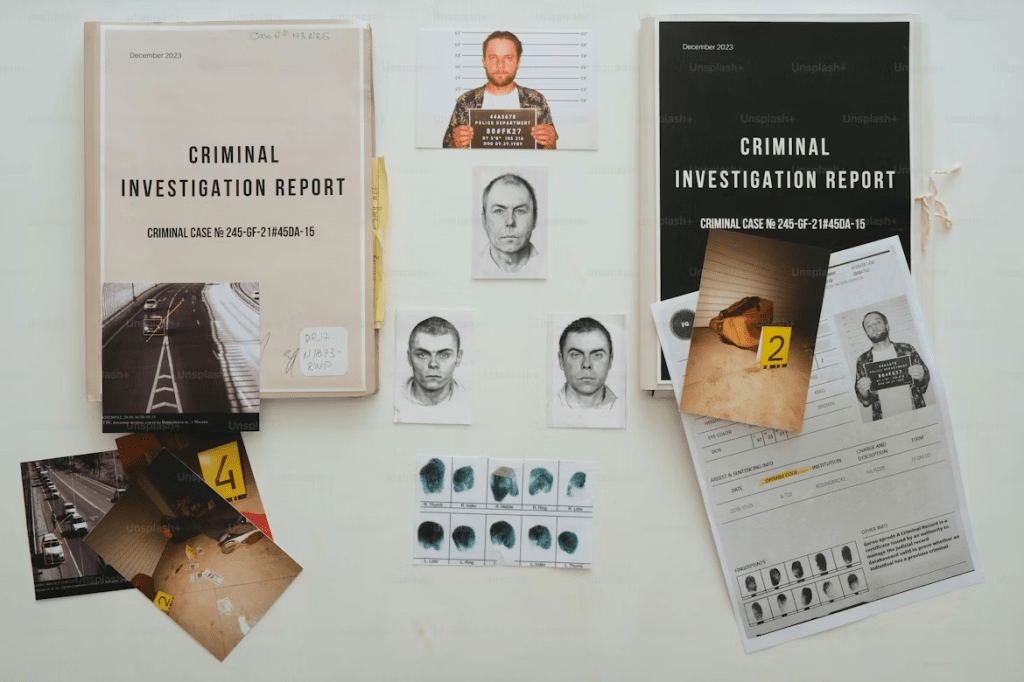
Most people think investigators are trained to just ask questions. They’re wrong.
This article is for those who may be thinking about becoming a private investigator—those who are curious about the work, the responsibility, and what it really takes to operate in this field.
The truth is, asking questions is only a small part of the job. The real skill is knowing which questions to ask, when to ask them, and how to separate facts from assumptions. One wrong question—or asking it at the wrong time—can shift the direction of a case, damage credibility, or even impact someone’s life in ways that can’t be undone.
Professional investigators don’t rely on guesswork. They don’t move on instinct alone. They follow evidence. They verify information. They understand that every detail matters, and every decision carries weight.
Beginners often enter this field believing that what they’ve seen on television reflects reality. It doesn’t. Real investigations require discipline, patience, and the ability to think critically under pressure. There are no shortcuts, and there are very few second chances.
That is what separates professionals from beginners.
If you are serious about becoming a private investigator, then preparation matters. Learning from real-world experience—especially from those who have worked criminal cases, handled high-pressure situations, and made decisions that affect real lives—can make all the difference.
Frontline Investigator Training Academy was built on that foundation. With more than six decades of combined, hands-on investigative experience, the goal is simple: to expose you to the realities of the work before you step into it.
This is not theory. This is not guesswork. This is experience shared to help you decide early if this path is right for you—and to help you avoid costly mistakes along the way.
Get started at frontline-academy.com
Training only. Not a certification program.
Marvin Dixon/Founder
VMGREVIEW.COM, Verifacts Investigations, Frontline Investigator Training Academy.
 VMG Review