
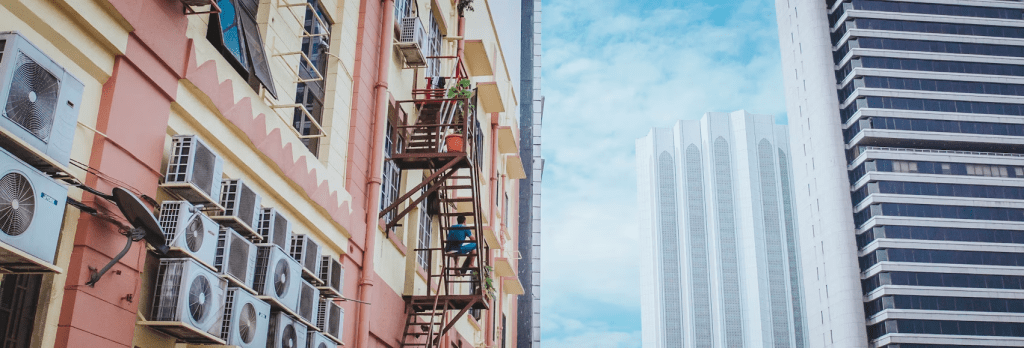
There are two very different sides of America.
On one side of the tracks, families live in communities with strong infrastructure, well-maintained roads, magnet schools, private schools, advanced academic programs, and access to valuable resources. Household incomes may begin around $70,000 and rise to hundreds of thousands—or even more than $1 million a year. Children in these communities are often surrounded by opportunity from the moment they are born.
On the other side of the tracks, families face an entirely different reality. Schools may be overcrowded, outdated, underfunded, and lacking the technology and resources students need to compete. Roads, housing, public transportation, parks, and other parts of the community’s infrastructure may be neglected. Household incomes often range from approximately $24,000 to $60,000 a year, leaving parents struggling to pay for housing, food, healthcare, transportation, and basic necessities.
The children on this side of America are not less intelligent, less talented, or less deserving. However, many begin their education already several steps behind—not because they lack ability, but because they lack access.
We often tell children that education is the great equalizer. But how can education create equality when students do not begin with equal schools, equal resources, equal technology, or equal opportunities?
This is not simply a story about rich families and poor families. It is a story about the America we have created—an America where a child’s ZIP code can determine the quality of their education, the safety of their neighborhood, and the opportunities available throughout their life.
The question is not whether two Americas exist. The evidence is visible all around us.
The real question is: How long will we continue to accept it?
Marvin Dixon/Founder
VMGreview.com, Verifacts Investigation, and Frontline Investigator Training Adademy.

