
Who Really Pays for Tariffs? American Consumers May Feel the Impact
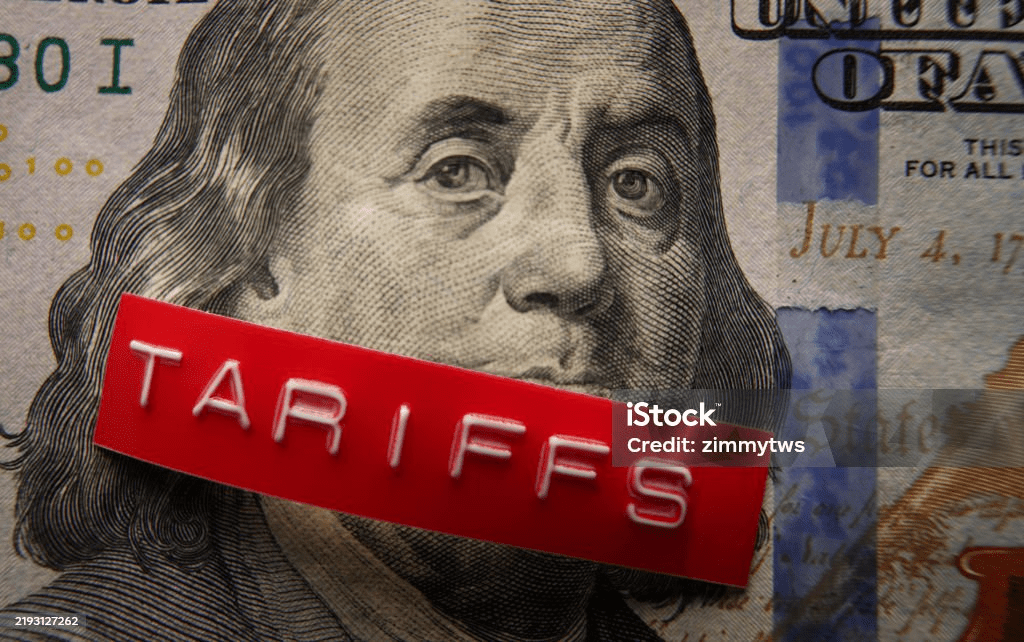
When politicians talk about tariffs, they often make it sound as though another country is being forced to pay the price.
But that is not always what happens.
When the United States places tariffs on goods coming from Canada, American businesses may have to pay more to bring those products into the country. And when businesses pay more, consumers often end up paying more too.
That means tariffs can eventually reach the grocery store, the car dealership, the construction site, and the family budget.
For millions of working Americans already dealing with high housing costs, food prices, insurance premiums, transportation expenses, and utility bills, another increase in everyday costs matters.
The question is simple:
Are tariffs hurting Canada more, or are American families helping pay the bill?
Canada is one of America’s largest trading partners. The two countries exchange automobiles, auto parts, lumber, steel, aluminum, food products, energy, machinery and many other goods.
If tariffs increase the cost of those products, the effects can spread throughout the economy.
For example, Canadian lumber is widely used in American construction. If lumber becomes more expensive, builders may have to pay more to construct homes. Those additional costs can eventually contribute to higher home prices.
The automobile industry could also be affected. American and Canadian automobile manufacturing is closely connected. Vehicle parts can cross the border several times during the manufacturing process. Tariffs placed on those parts can increase production costs, which could eventually mean higher vehicle prices for consumers.
Food prices could also be affected depending on which agricultural products are included in the tariffs.
There is another side to the issue.
Supporters of tariffs argue that making foreign products more expensive can encourage companies to manufacture more goods in the United States. If successful, that could create American jobs, strengthen domestic industries and reduce America’s dependence on foreign suppliers.
However, those benefits may take years to develop.
Consumers can feel higher prices much sooner.
There is also the possibility of retaliation.
When the United States places tariffs on Canadian goods, Canada can respond by placing tariffs on American products. That can hurt American farmers, manufacturers and businesses that depend on selling their products to Canadian customers.
If Canadian consumers buy fewer American products because those products become more expensive, some U.S. companies could lose revenue and possibly jobs.
This is why trade wars can become complicated.
One country places tariffs on another country. The other country retaliates. Businesses on both sides face higher costs, and eventually consumers can become caught in the middle.
The most important thing for Americans to understand is this:
Foreign governments do not normally pay the tariff directly. American importers pay it when products enter the United States.
Those businesses must then decide whether to absorb the cost or pass it along to consumers.
For working-class Americans already struggling with the cost of groceries, housing, transportation, insurance and utilities, even small increases can create additional financial pressure.
Tariffs may eventually help certain American industries, but they can also produce short-term consequences that cannot be ignored.
The real question is not simply whether tariffs are good or bad.
The question should be:
Will the long-term economic benefits outweigh the higher costs American families may experience today?
That is the conversation we should be having.
Join the conversation.
Marvin Dixon/Founder
VMGreview.com, Verifacts Investigation, and Frontline Investigator Training Academy.

