
Strong Communities Begin With Involvement—not Complaints
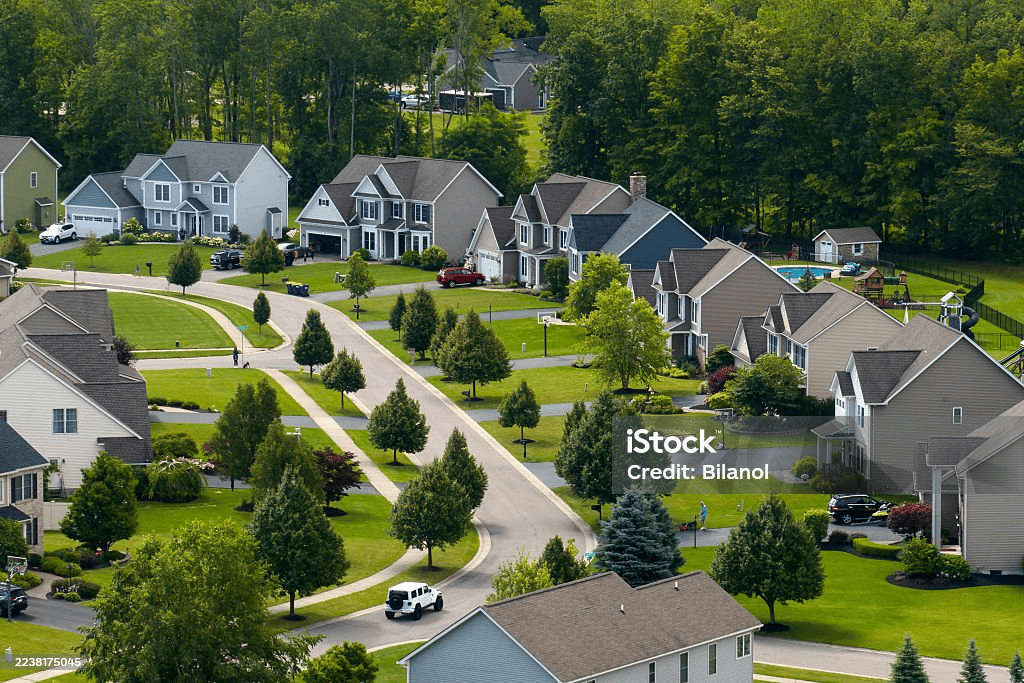
When people work together, the positive impact can be seen throughout their community. Neighborhoods are cleaner, safer, better organized, and more prepared to respond when proposed developments could affect residents’ quality of life.
Some communities understand the power of togetherness. Their residents attend public meetings, communicate with elected officials, organize neighborhood associations, and make their voices heard. When an issue arises, they do not wait for someone else to take action—they stand together.
Unfortunately, other communities struggle to get residents involved. People may be quick to complain after a decision has been made, but they are unwilling to participate when their presence could help influence that decision.
Data centers have become a major concern as developers seek approval to build these massive facilities near residential communities. In several areas, residents have organized and worked together to oppose projects they believe could negatively affect their neighborhoods. Their involvement has demonstrated an important truth: elected officials pay attention when citizens show up in large numbers and speak with one voice.
My community is now facing an important decision. A developer has requested permission involving approximately 115 acres of land for what has been described as a cell-tower or telecommunications project. A traditional cell tower does not require 115 acres, which raises reasonable questions about the full purpose, size, and future use of the proposed development.
That is why residents need clear answers:
- Why is such a large amount of land involved?
- What exactly will be built on the property?
- Will additional structures be added later?
- How could the project affect nearby homes and property values?
- What impact could it have on traffic, noise, lighting, drainage, and the environment?
- What protections will be provided to surrounding neighborhoods?
The Board of Commissioners meeting is scheduled for September 15, 2026. I have spoken with several neighbors and encouraged them to attend and oppose the request until our questions are answered. Unfortunately, many of the responses I have received have been excuses about why they cannot participate.
I understand that people have jobs, families, health concerns, and other responsibilities. However, decisions made at public meetings can affect our homes, finances, safety, and quality of life for many years. Sacrificing a few hours today could help protect our community’s future.
If this request is approved, some of the same people who refused to participate may later complain about the consequences. But waiting until construction begins is often too late. The most effective time to speak is before the final decision is made.
One person can raise a concern, but an organized community can demand attention. Numbers matter. When residents attend meetings together, ask informed questions, and respectfully hold public officials accountable, they increase the possibility of achieving a positive outcome.
We cannot expect our communities to improve if we are unwilling to become involved. Let us move beyond complaining and begin working together for positive change.
Attend the meetings. Speak with your neighbors. Ask questions. Contact your elected officials. Make your voice heard.
A strong community is not created by the people who complain afterward. It is created by the people who show up when their community needs them.
Will you get involved before the decision is made—or complain after it is too late?
Read. Share. Join the Conversation.
Marvin Dixon/Founder
VMGreview.com, Verifacts Investigation, and Frontline Investigator Training Acamedy.

